
Available Works
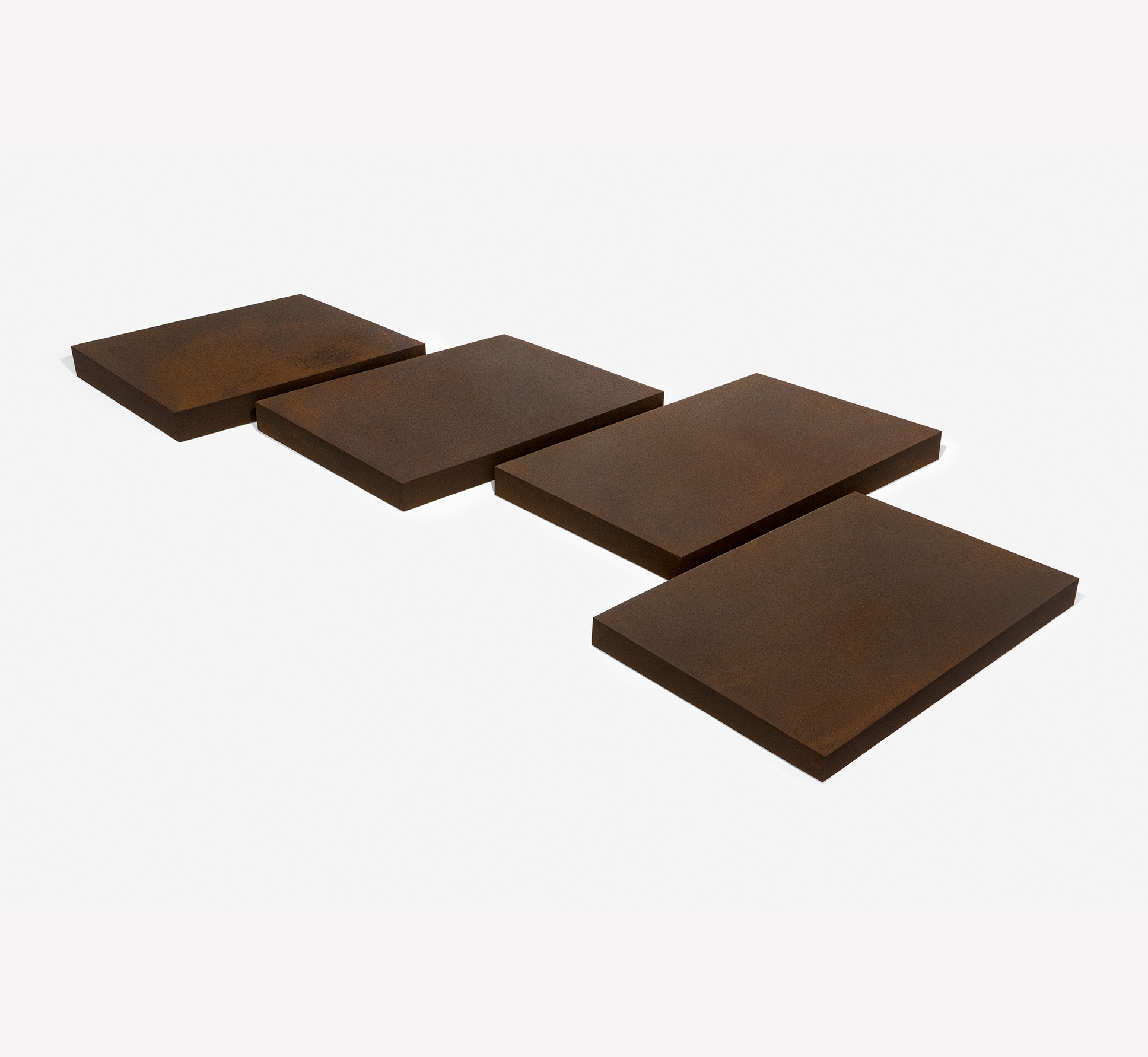
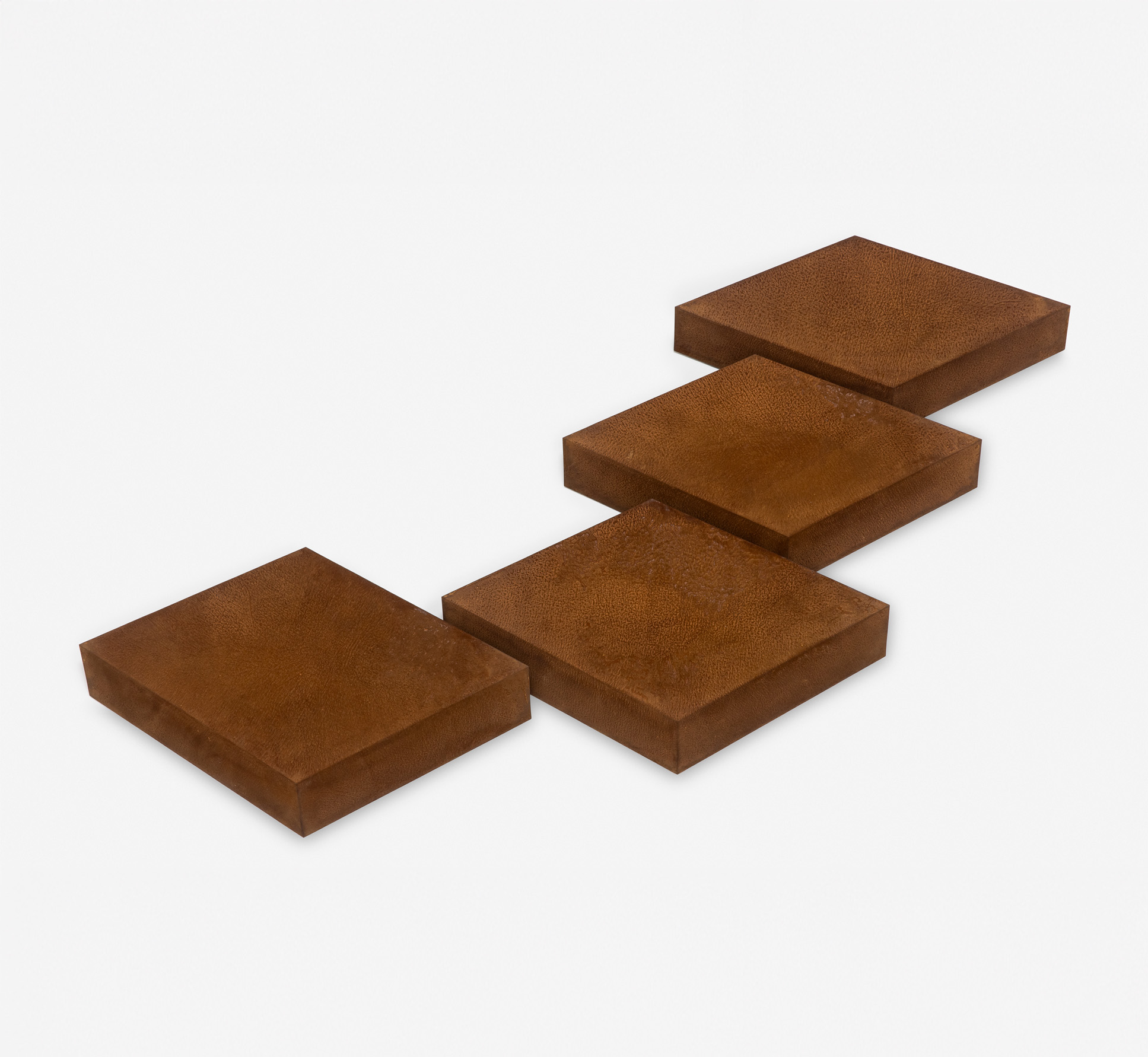
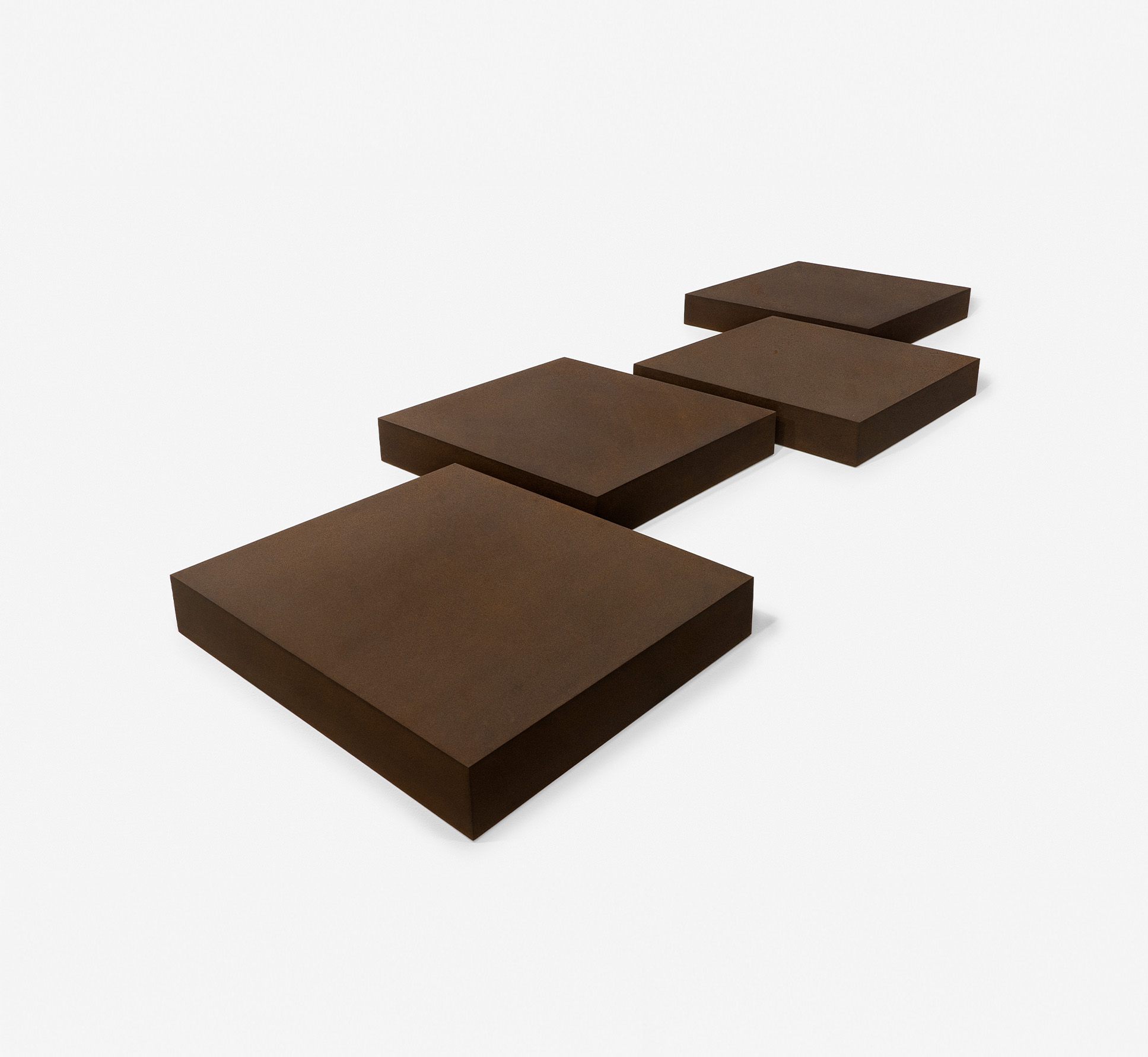
wolfram ullrich_ epan_ 2026
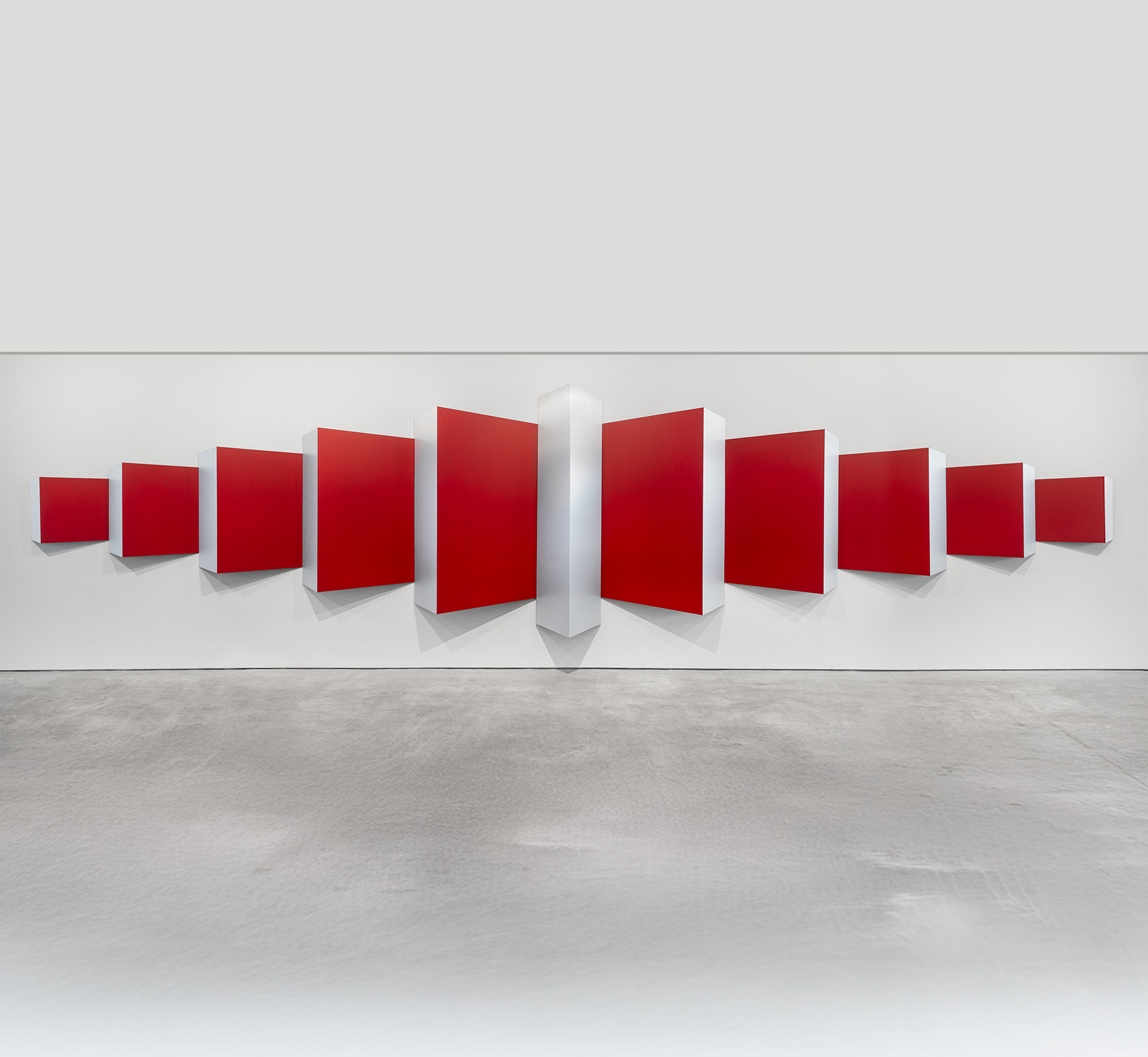
wolfram ullrich_ kuti_ 2026
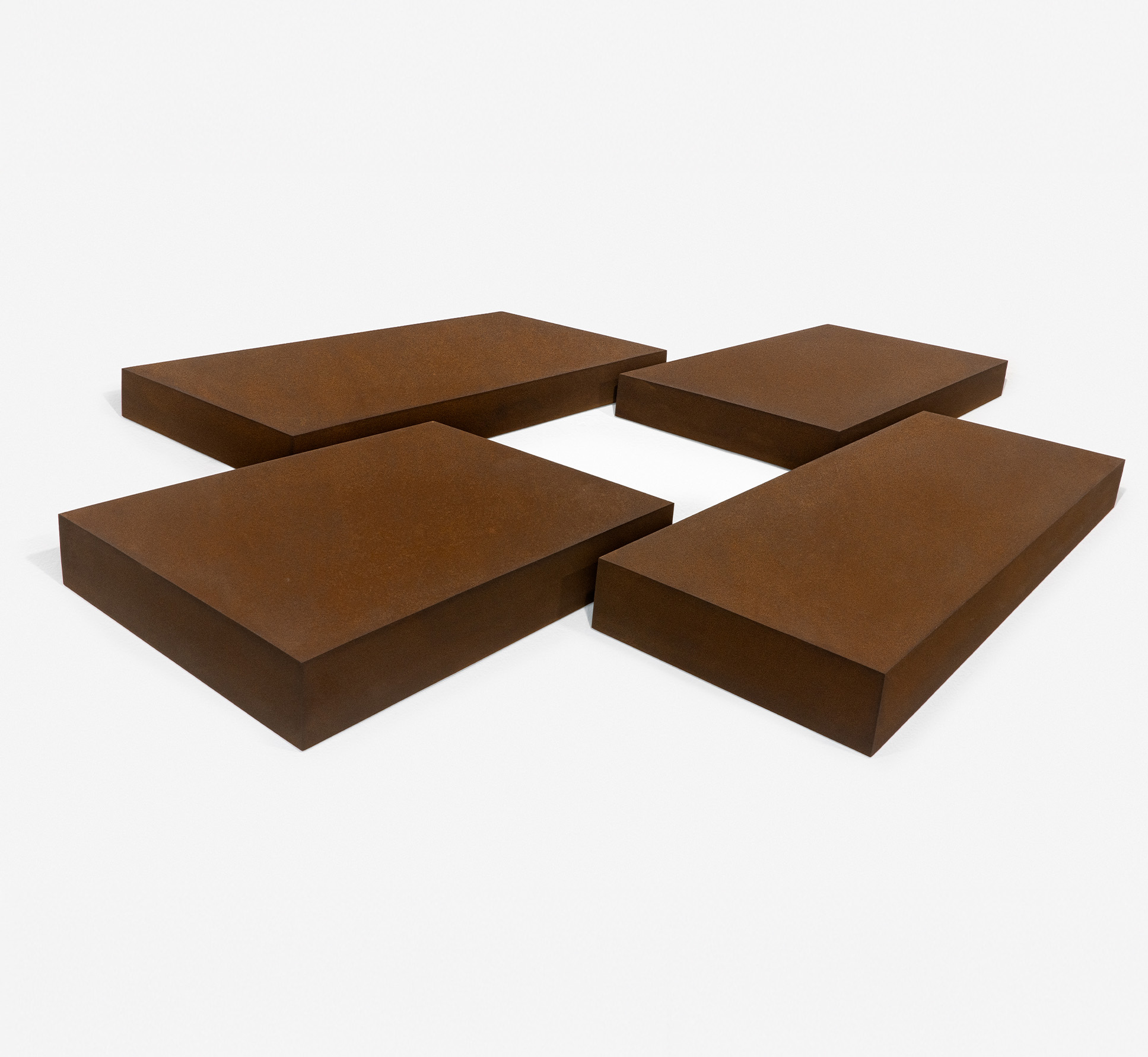
wolfram ullrich_ nova_ 2026
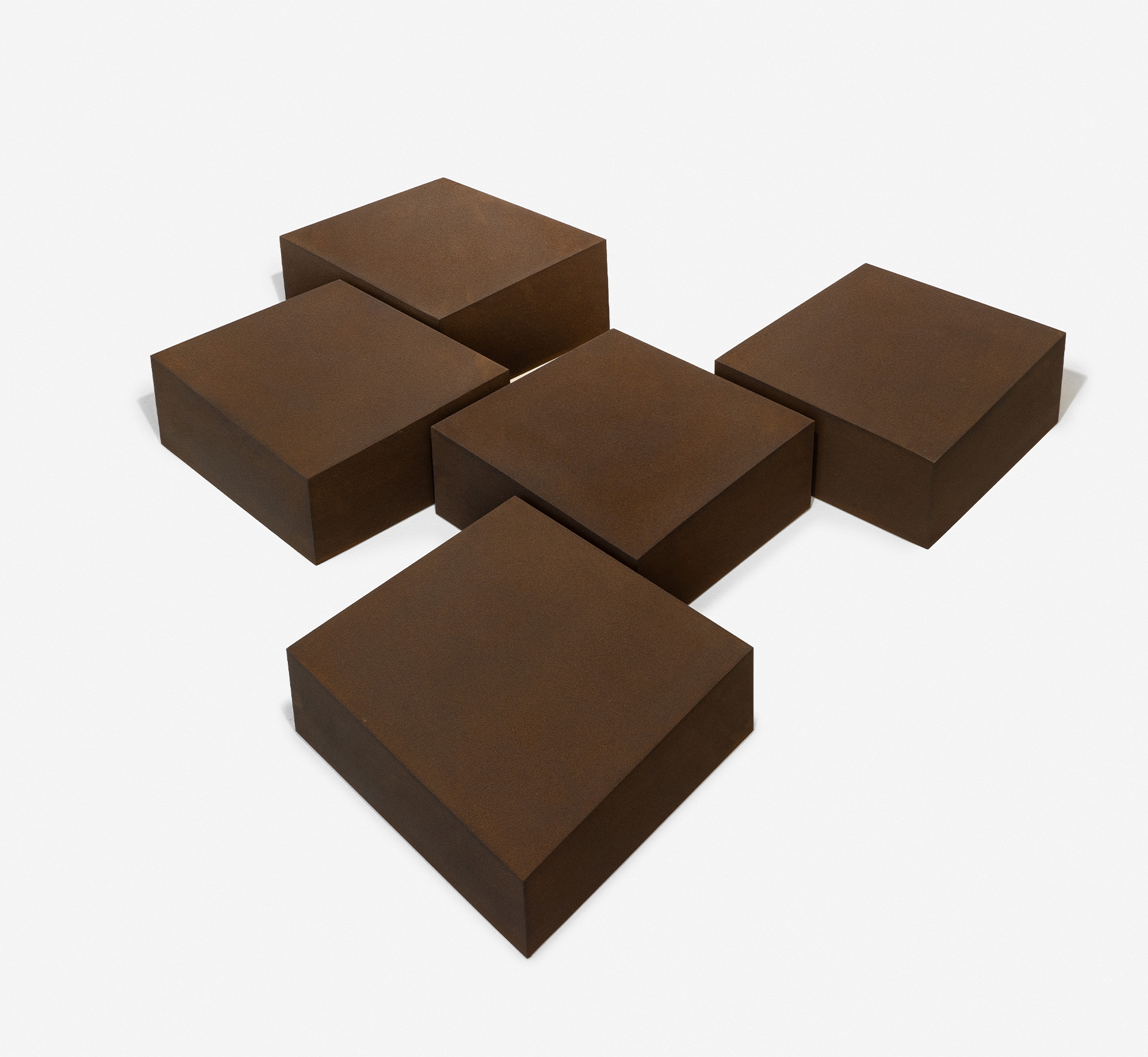
wolfram ullrich_ sator_ 2026


Biography
born in würzburg_ germany_ 1961_ lives and works in stuttgart_ germany
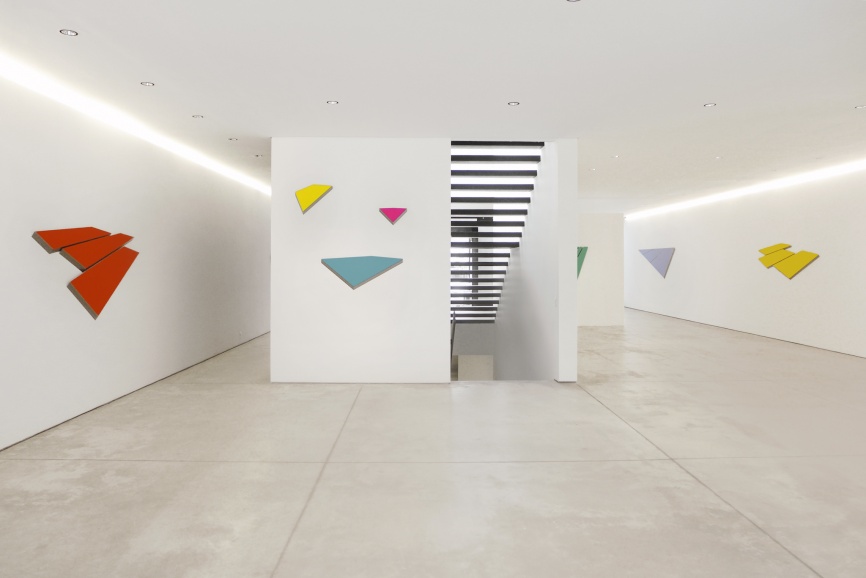
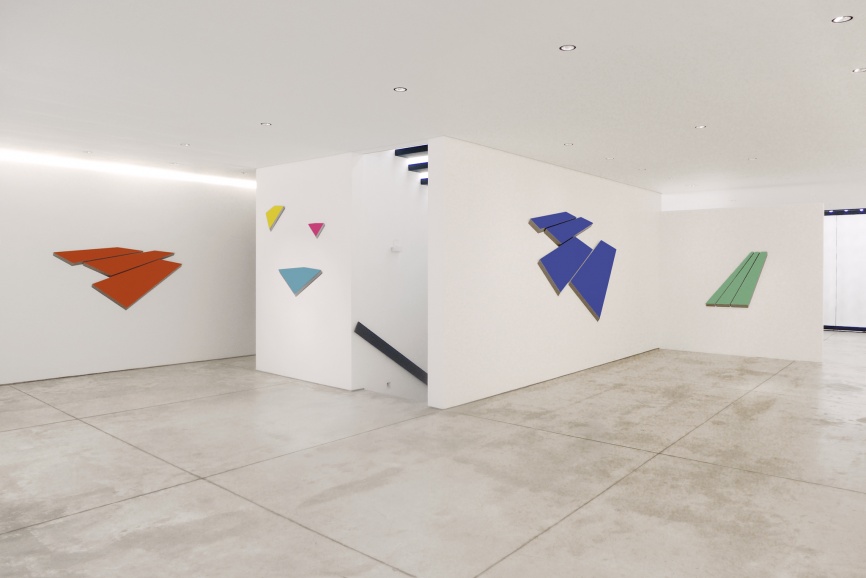
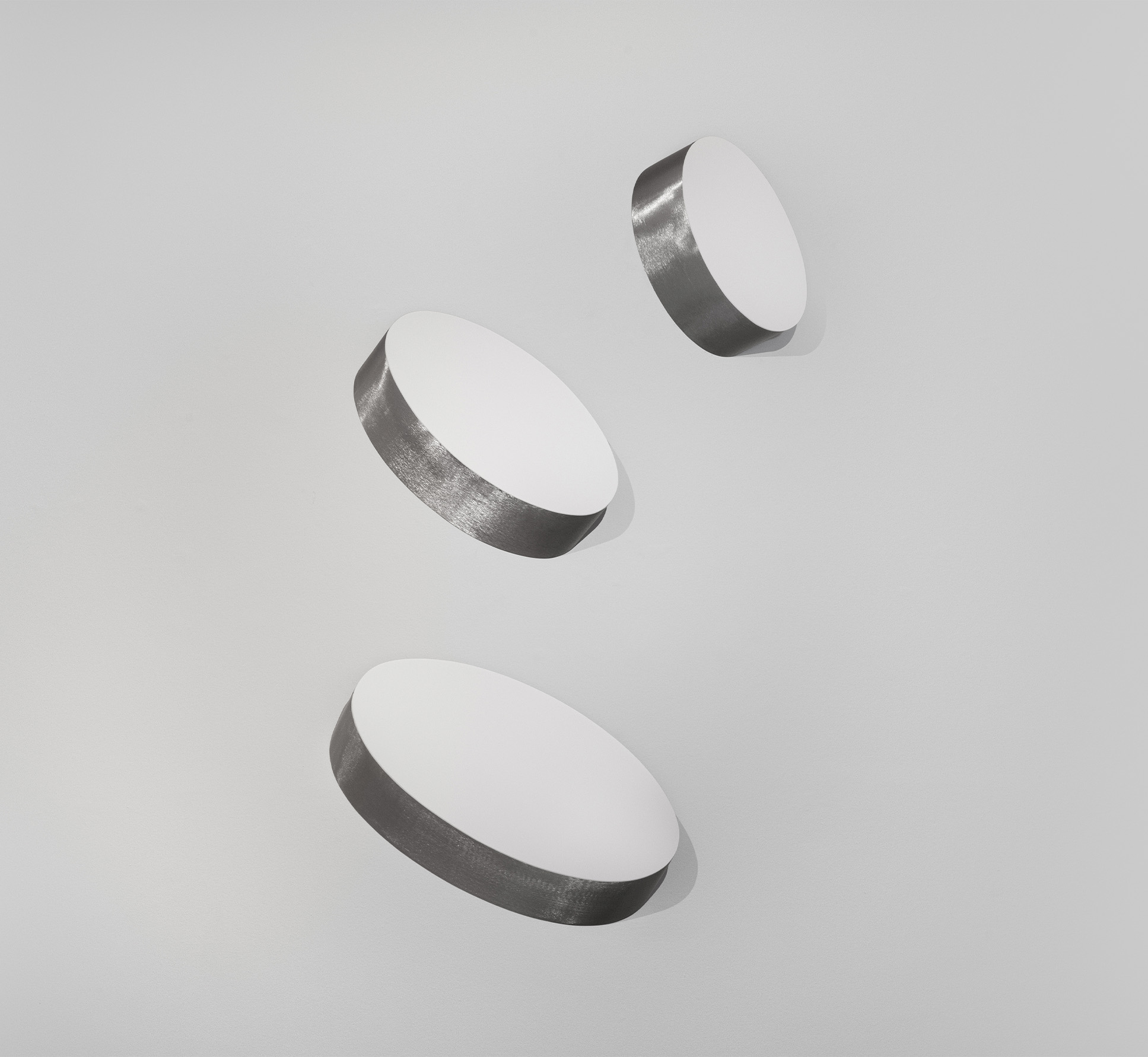
Wolfram Ullrich’s works are grounded in a process of conceptual planning and painstaking manual precision, while also engaging in dialogue with the foundations of Concrete art, such as the meaning of color defined solely by itself, form governed by the laws of geometry, and the direct relationship between the body and its materiality and plasticity. However, Ullrich goes further by creating volumes and structures that seem to escape from the walls, challenging notions of perspective and illusion. Made of rigid materials such as steel and acrylic, Ullrich’s monochromatic surfaces bear witness not only to their own unwavering materiality, but also to the optical phenomena that subject the works to each viewer’s shifting perspective, making them appear to float in space.
Wolfram Ullrich graduated in Visual Arts and Painting from the Staatliche Akademie der Bildenden Künste Stuttgart (1986) and in Art History from Universität Stuttgart (1985), both institutions in Germany, his country of birth. The artist began challenging the two-dimensional logic of painting and the conventions of perspective in the 1980s, when he took part in his first exhibitions in Europe.
Among his recent exhibitions are solo presentations at Une Gallery (Switzerland, 2012) and Denise René (France, 2011); and group exhibitions including “Mouvement et Lumière” at Fondation Villa Datris (France, 2012); “Interferences” at Fondation Vasarely (France, 2011); and “Beyond Painting” at Bohuslän Museum (Sweden, 2009). In recent years, Ullrich has received awards from the Messmer Foundation (Germany, 2010) and the Helmut Kraft Foundation (Stuttgart, 2009). His work is regularly presented at leading art fairs, including Art Basel (Basel and Miami), FIAC (Paris), Art Cologne, and Zona Maco (Mexico City). Since 2013, the artist has been represented by Galeria Raquel Arnaud, which presented the exhibition “Planar” (2013), Ullrich’s first solo exhibition in Brazil.
Exhibitions
wolfram ullrich_ constructive ambiguity and the activation of space
02 sep - 30 oct_ 2026
in motion
aug 16 - oct 19_2013
afinidades- raquel arnaud 40 anos
mar 19 - may 04_2014
Texts
A color which, in the spirit of Theo van Doesburg, only has meaning in and of itself. A form that obeys the laws of geometry. A body that is related directly with its own materiality and plasticity.
These are the tenets of concrete art, the basis on which Wolfram Ullrich’s work is constructed. For the artist from Stuttgart, these elements are important, but not sacred. In his works, even if the forms and colors are “concrete,” they refer to something beyond themselves; the form advances like a surface of color without shadow, the tridimensional volumes seem to escape on the wall and, simultaneously, some vanishing points seem to shatter the perspective.
Wolfram Ullrich’s works refer to a main vanishing point: the viewer. It is under the viewer’s observation that they reveal all of their effects; this is where they literally unfold beyond their limits and beckon for attention. This is particularly true for the works composed of various elements. If we try to analyze them based on their overall forms in order to concentrate on their distinct elements, we inevitably observe subtle incoherencies that are fine-tuned by Ullrich. If, on the contrary, we began with a synthetic analysis of the different elements to then consider the overall form, the concrete forms inevitably disappear. The volumes start to be systematically contorted. Depending on the angle from which they are viewed, they are either incorporated to the wall, or they stand out from it, twisting, softening and overflowing over the narrow grooves of the shadows, approaching the viewer.
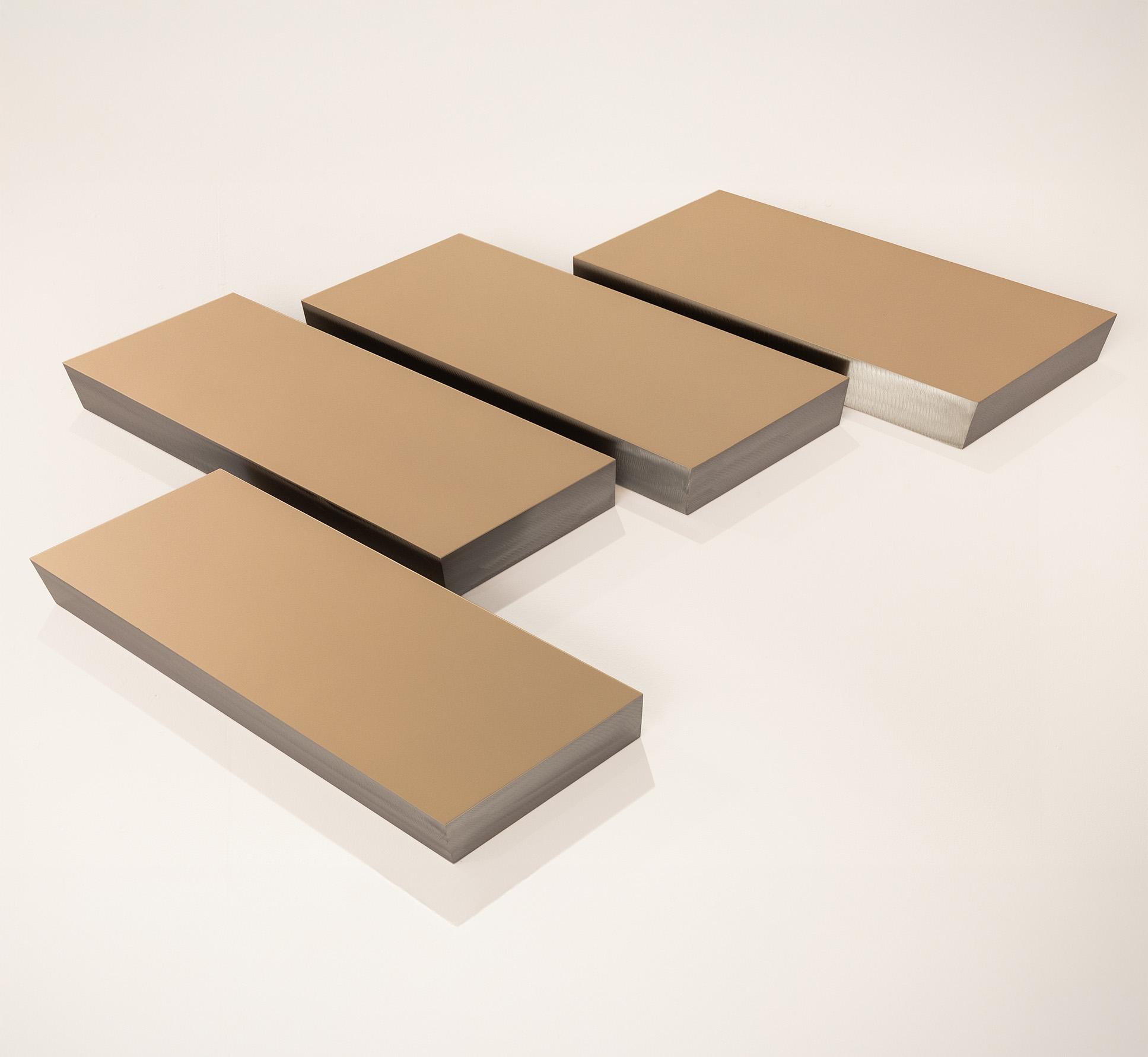
The formal rigor with which the artist creates his works presents uncommon perspectives, involving a new set of dynamics. The artist aligns the rough, brushed-steel lateral surfaces with the same precision as his monochromes in lacquered acrylic. They reinforce the distorted plasticity of the elements and simultaneously reduce the interplays of shadows, in such a way that the final forms seem to be nearly bidimensional.
The above-mentioned dynamics result from these antagonisms found in Wolfram Ullrich’s large-format works, but also in his smaller ones, which evoke a great deal of attention as they appeal to the spectator with the same rigor and sincerity. They are simultaneously color and form, body and material. Their meaning is clearly intrinsic, but it should also be sought far beyond them, in the diversity of their references. Here we find the emphatic illusionism that springs from the spirit of concrete art.
Videos
Overview