
Available Works
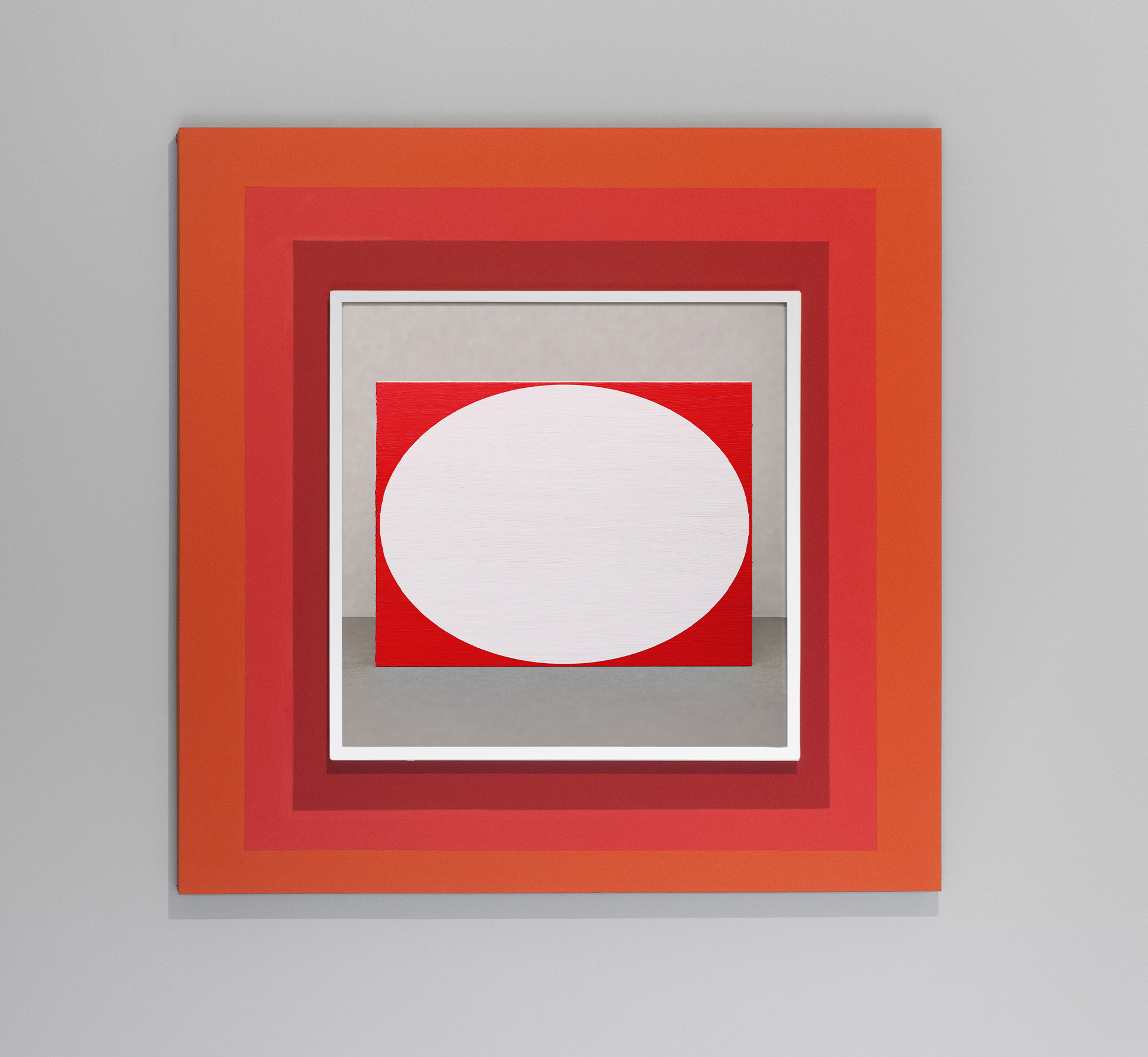
alexander apóstol_ partidos políticos desaparecidos_ 2026
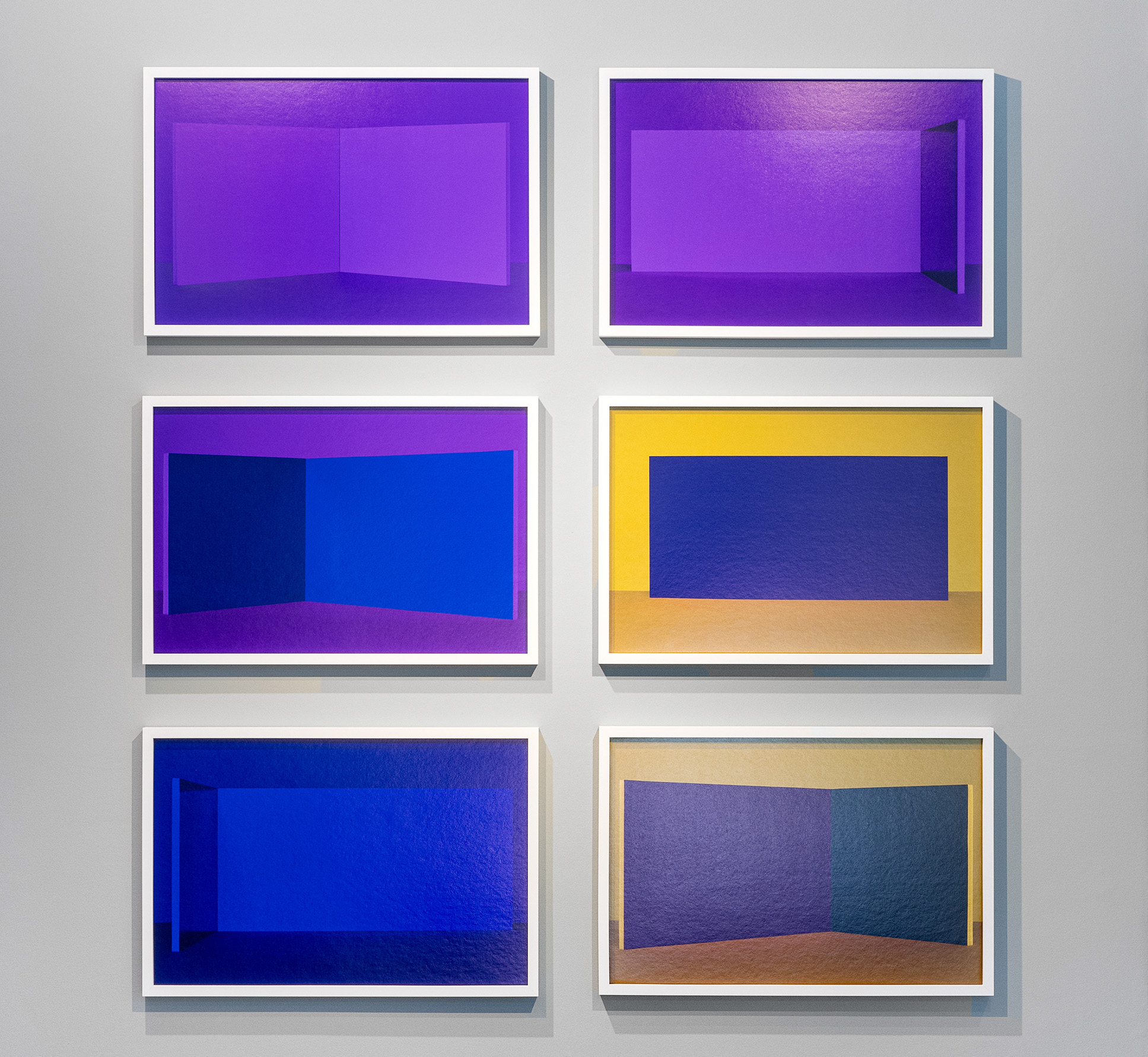
alexander apóstol_ color is my business (polyptych)_ 2026
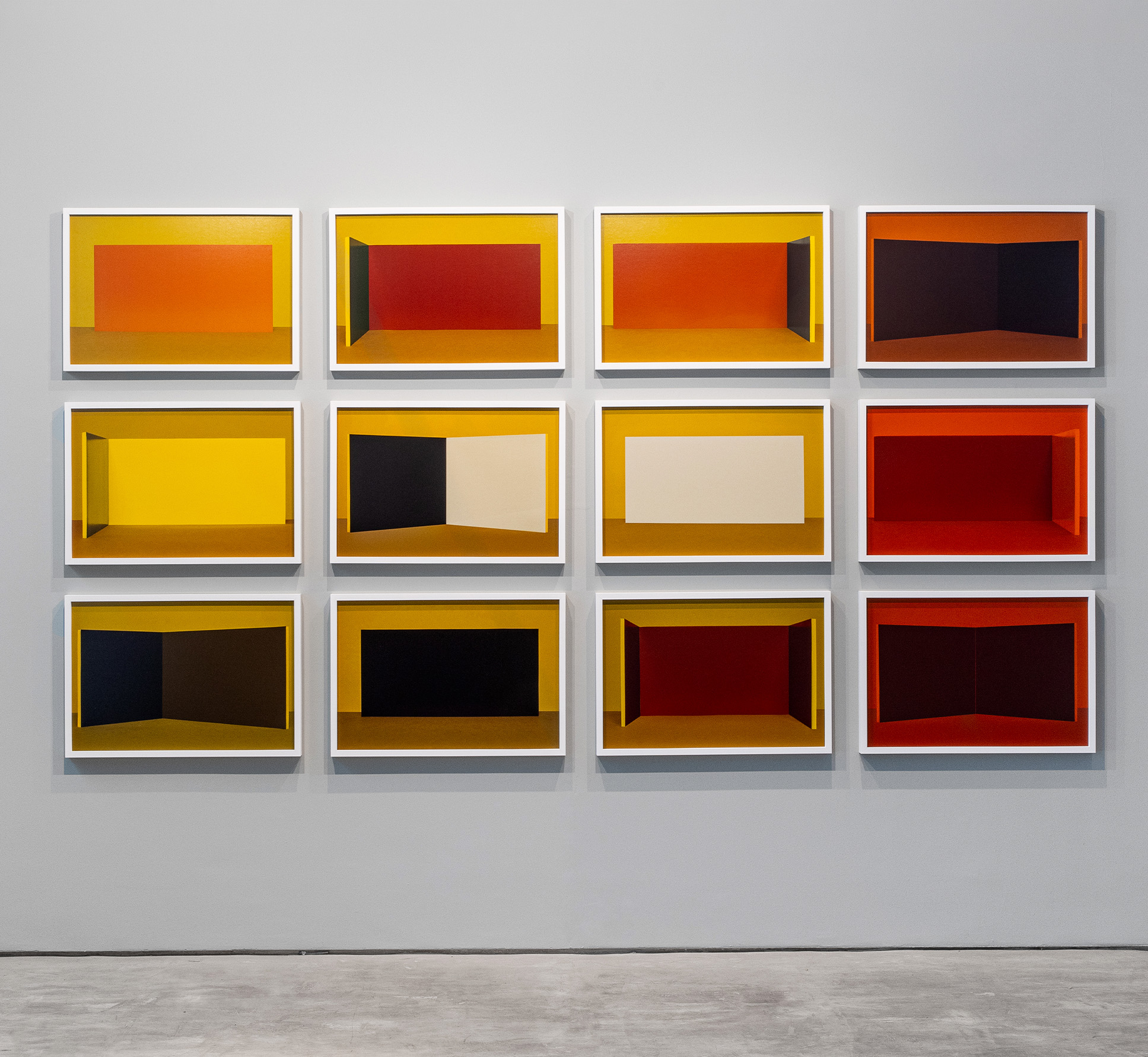
alexander apóstol_ color is my business (polyptych)_ 2026
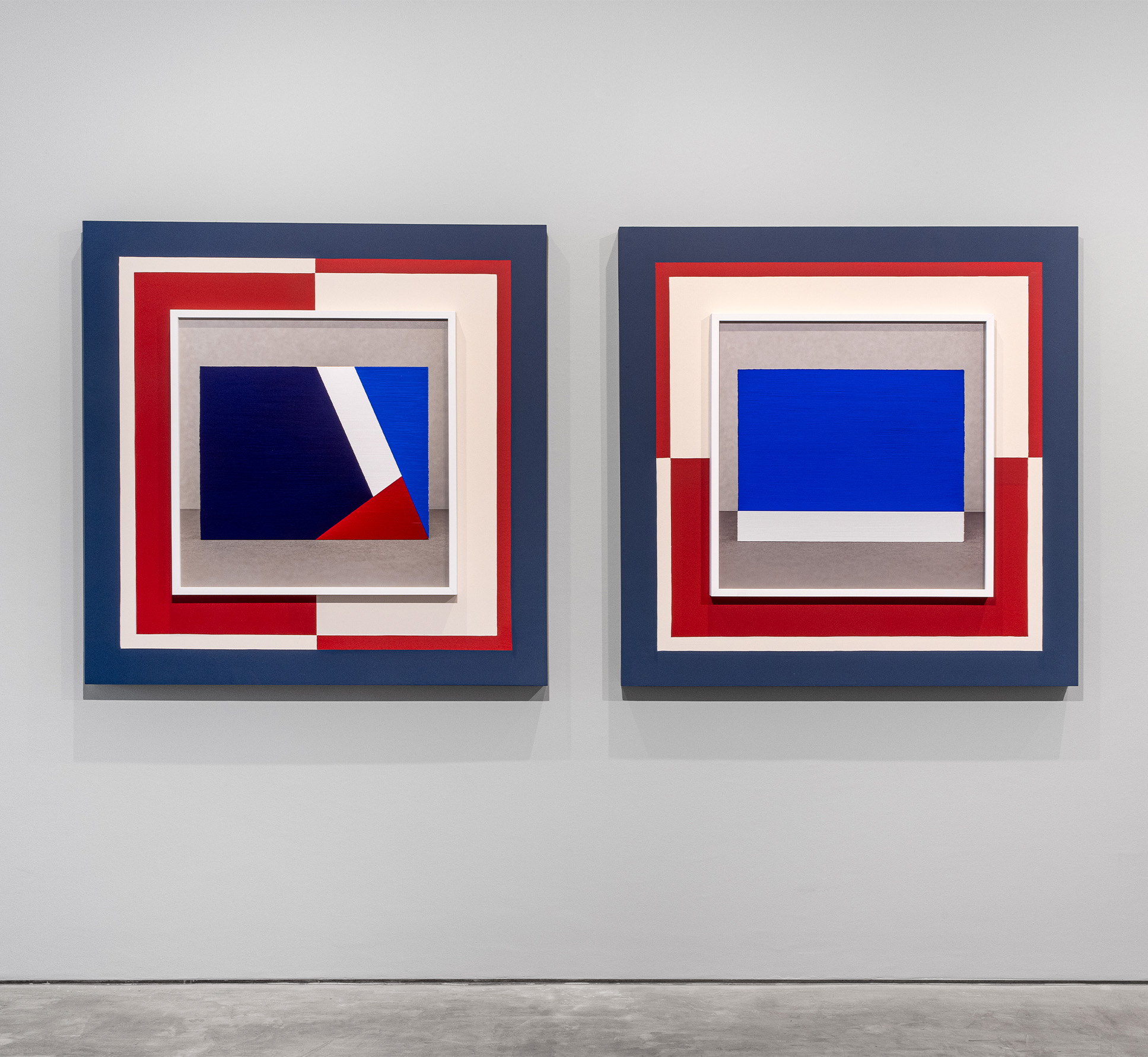
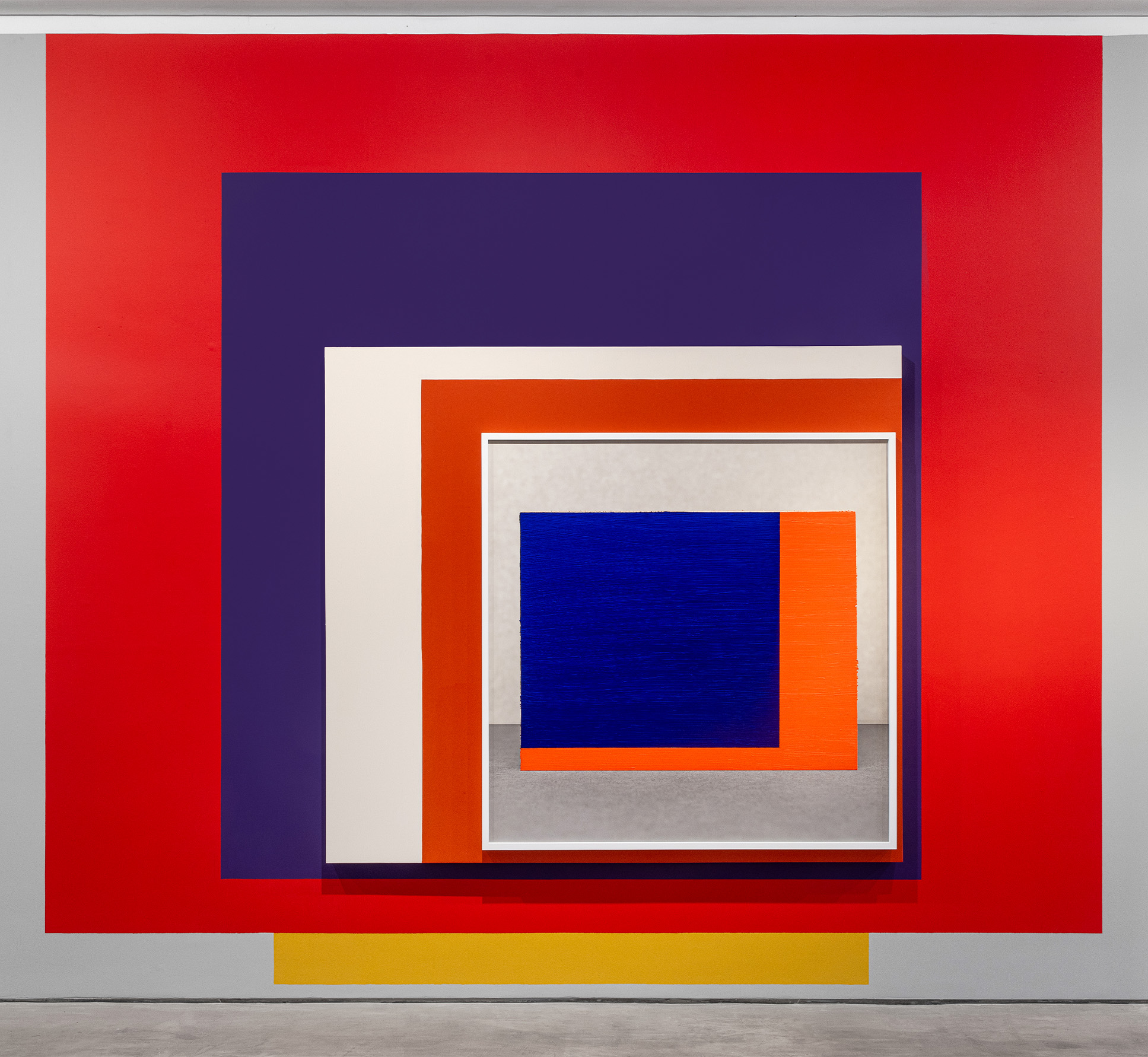
alexander apóstol_ partidos políticos desaparecidos (diptychs)_ 2026
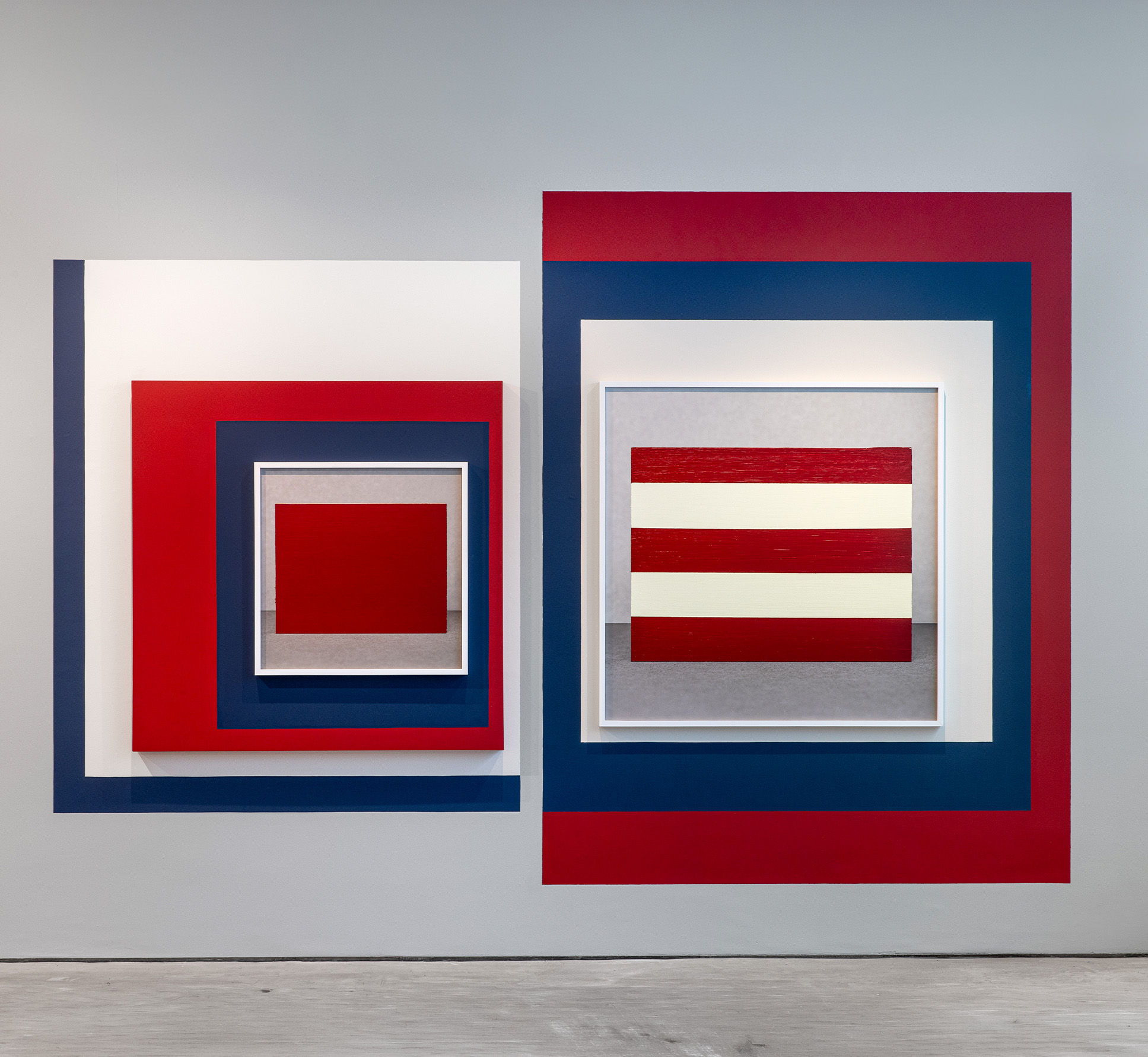
alexander apóstol_ partidos políticos desaparecidos (diptych)_ 2026
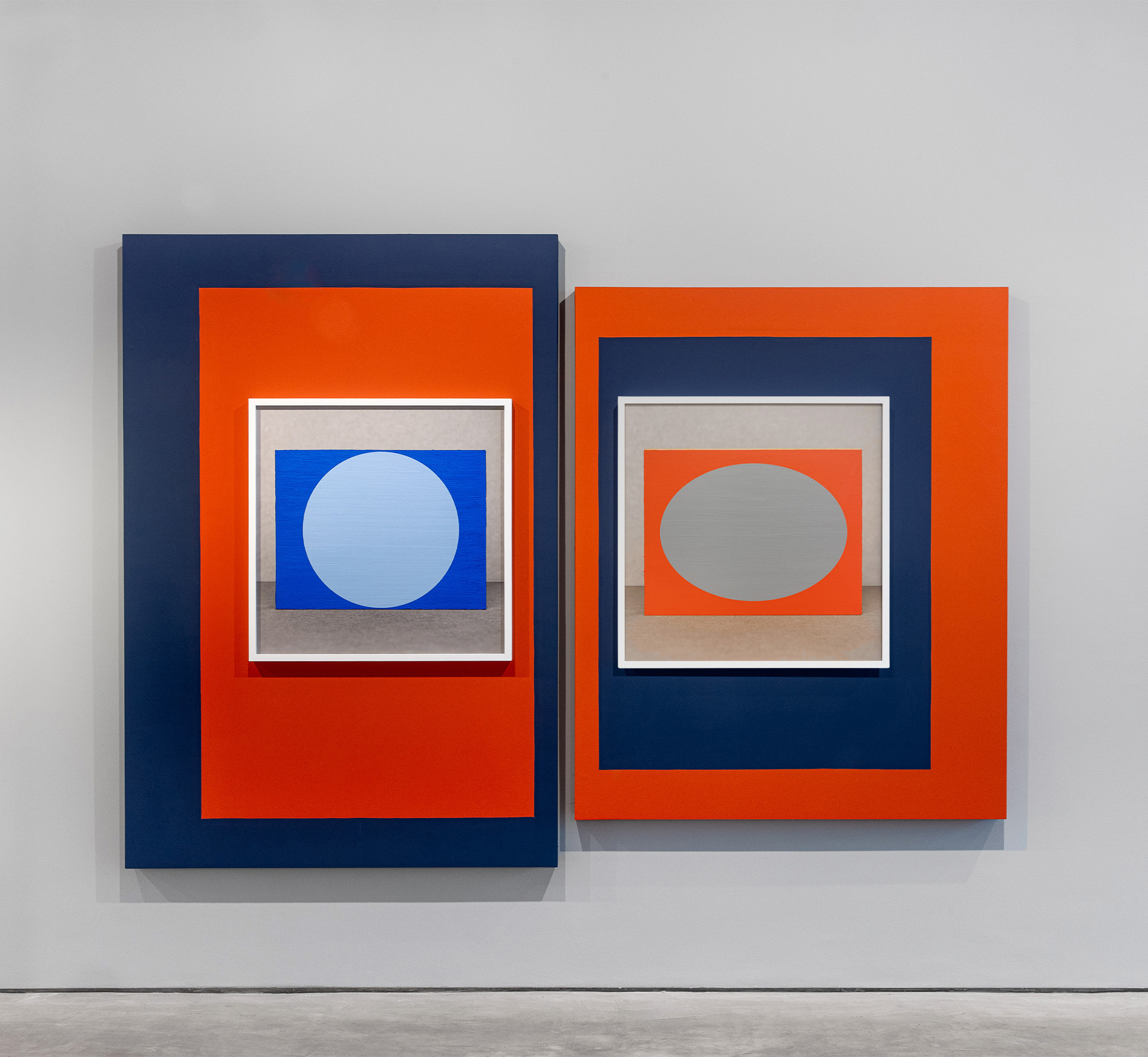
alexander apóstol_ partidos políticos desaparecidos (diptychs)_ 2026
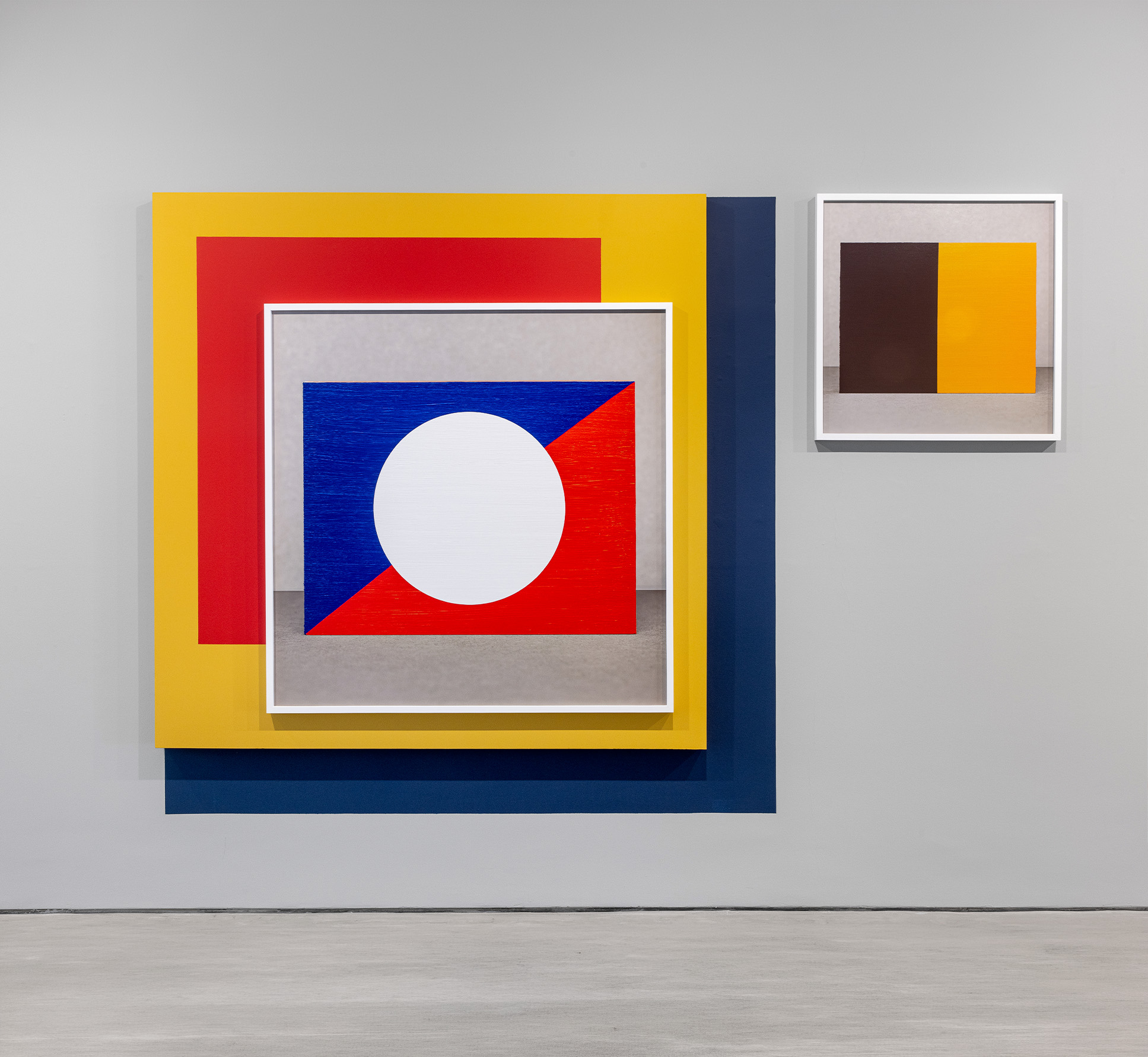
alexander apóstol_ partidos políticos desaparecidos (díptych)_ 2026


Biography
barquisimeto_ venezuela_ 1969_ lives and works between caracas and madrid
Alexander Apóstol was born in Barquisimeto, Venezuela, in 1969. He studied photography with Ricardo Armas from 1987 to 1988, and art history at the Universidad Central de Venezuela, Caracas, from 1987 to 1990. Apóstol completed residencies at the Museo de Arte Contemporáneo de Maracay Mario Abreu, Venezuela (1998), Casa de América, Madrid (2002), and at the Rockefeller Foundation Bellagio Center, Italy (2012–13).
Apóstol has held solo exhibitions at Sala Mendoza, Caracas (2004); Los Angeles Contemporary Exhibitions; Cisneros Fontanals Art Foundation, Miami; and Palau de la Virreina, Barcelona (all in 2006); the David Rockefeller Center for Latin American Studies at Harvard University, Cambridge, Massachusetts (2007); the Museum of Contemporary Art of Castile and León, Spain (2010); and Centro de la Imagen, Lima (2011).
He has participated in group exhibitions including 25ª Bienal de São Paulo: Iconografias Metropolitanas (2002); Habitat/Variations, Bâtiment d’Art Contemporain, Geneva, and Lo(s) Cinético(s), Museo Nacional Centro de Arte Reina Sofía, Madrid (both in 2007); Painting in the Glass House, Aldrich Contemporary Art Museum, Ridgefield, Connecticut, and Islands+Ghettos, Neue Gesellschaft für Bildende Kunst, Berlin (both in 2008). Apóstol has been featured in several exhibitions, including “Photographic Typologies” at Tate Modern, London (2010); “The End of Money” at Witte de With Center for Contemporary Art, Rotterdam; and “Destello” at Fundación Jumex, Mexico City (both in 2011). He also participated in the São Paulo Biennial (2002); the Istanbul Biennial (2003); the Cuenca Biennial, Ecuador (2004); the Prague Biennale (2003 and 2005); the San Juan Poly/Graphic Triennial, Puerto Rico (2009); Manifesta (2009); and the Venice Biennale (2011); Histórias Latino-americanas, at Museu de Arte de São Paulo, MASP (2026).
Texts
In Colour is my business (2012–16), a photographic polyptych presents the same voting booth on a model scale. The tonal variations on the walls denote the successive mergers between parties and the loss of their political identity. Despite the aesthetic and architectural saturation, the work invites belief in something that is visually preserved: the intimacy of a dwelling capable of safeguarding the rights and agency of individuals in society.
In Partidos políticos desaparecidos (2018/2026), the artist creates paintings based on electoral ballots, erasing texts and numbers and leaving only their graphic structure. He then photographs these paintings to present them as images. In the installation, these records are superimposed on geometric reliefs built in solid colors, which, in turn, also partially cover a third and final layer of abstract shapes painted directly onto the wall. The mural projects from the plane into space, a gesture that runs through social history and art history since the second half of the 20th century as synonymous with symbolic summoning.
While the representation of an absent document alludes to lost memories and rights, the volumes that leave the walls to approach our bodies in this gallery are inscribed in the present and demand presence. Here, in a game of paradoxes, the past suggests futures, while the visual exuberance—so characteristic of propaganda and the exercise of hegemonic control—is a strategy that attracts precisely toward counter-narrative and emancipation.