
art basel paris 2026
23 oct - 25 oct_2026
Galeria Raquel Arnaud presents Arthur Luiz Piza in the Premise sector at Art Basel Paris 2026
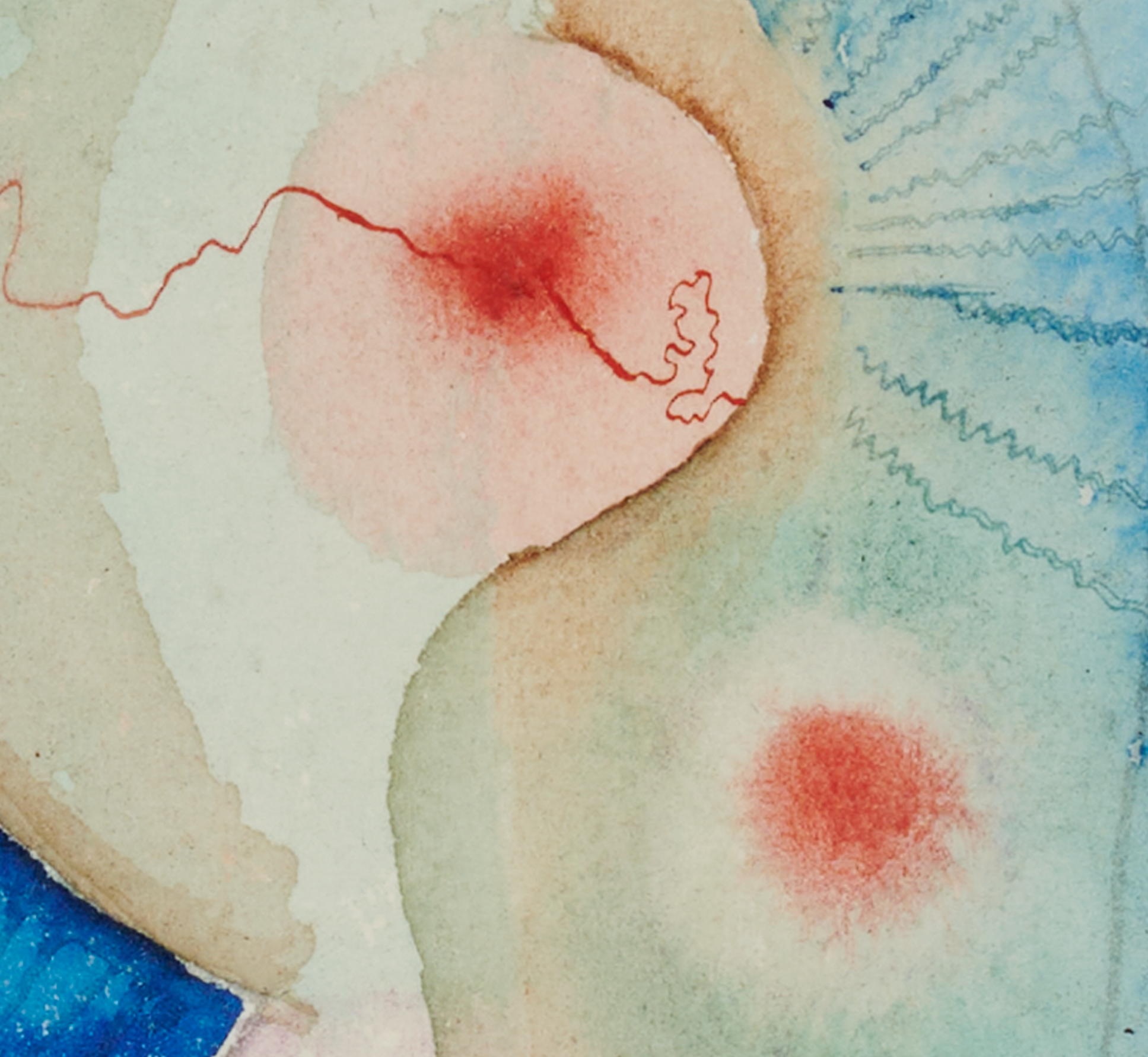
With the project “Piza et la pratique surréaliste”, the gallery brings together a selection of works from the artist’s early career, previously unexhibited in France. The presentation features works in various media, created between 1946 and 1956.
Galeria Raquel Arnaud will participate in Art Basel Paris 2026, taking place from October 23 to 25 at the Grand Palais (3 Avenue du Général Eisenhower, Paris), with a presentation dedicated to Arthur Luiz Piza (São Paulo, 1928 – Paris, 2017) in the Premise sector, which focuses on artists and works outside conventional art-historical narratives.
Located at booth 0.P7, the project “Piza et la pratique surréaliste” reaffi rms the gallery’s commitment to promoting Brazilian art internationally, bringing together works by Piza that have never been shown to the French public, created between 1946 and 1956.
The works brought together mark a transitional period in Piza’s career. Until moving to France in 1951, he apprenticed under the artist Antônio Gomide. In Paris, Piza devoted himself to the study of metal engraving at Johnny Friedlaender’s studio, where he produced his fi rst copper plates and moved away from the more direct, often thematically driven fi guration characteristic of Brazilian art at the time. In retrospect, this period reveals the emergence of the artist’s identity, which would eventually take shape in what he himself described as a “somewhat surrealist expressionism.”
The selection revisits the artist’s early years, bringing together oil paintings, watercolors, gouaches, ink drawings, and mixed-media works, as well as a color etching from the period when Piza began exploring printmaking. These works reveal the emergence of a distinctive personal style, populated by stylized silhouettes and surrealist forms, in which the automatism of ink drawing merges with the dreamlike quality of watercolor.
At a time when Surrealism remained relatively peripheral to Brazilian Modernism, Piza explored its principles through the freedom of gesture and the dissolution of traditional forms of representation. The works presented by Galeria Raquel Arnaud, most of them previously unseen in France, offer a rare glimpse into this formative period and reveal an experimental impulse that would remain central to his practice. These early works trace the emergence of a personal visual language and the deep roots of an artistic vocabulary that Piza would refi ne in France over the course of six decades.